

I experienced an avalanche feature once without knowing what was coming. One winning cluster dissolved, new symbols tumbled in, and my modest win became a chain reaction that illuminated the screen. It felt less like a spin and more like a domino effect in real time. That moment hooked me, and I intend to pass on what I’ve learned at Dracula Casino.
Major Providers and Their Iconic Avalanche Slots
No talk about avalanche slots should ignore the pioneers who pioneered the mechanic. Pragmatic Play joined the arena with offerings like Gates of Olympus, which employs a tumble feature paired with sticky multiplier symbols that build up during cascades. I’ve spent countless evenings observing those winged multiplier orbs fall and increase my total, forming a lottery effect layered on the avalanche system.
Play’n GO crafted an entire franchise around the mechanic with Reactoonz, turning the grid into a quirky alien laboratory. Cascading wins charge a quantum meter that triggers special effects when charged, building an ecosystem where avalanches supply a broader strategic layer. I appreciate how this design motivates sustained engagement, as each cascade contributes to a larger goal outside the immediate win.
Hacksaw Gaming brought their edgy aesthetic to avalanche slots with Wanted Dead or a Wild, blending cascading mechanics with volatile bonus buy options. Their approach often connects avalanches into collectible wild multiplier mechanics, where each tumble gathers values that erupt during climactic moments. I respect how Hacksaw challenges boundaries by combining the avalanche feature with dark, unconventional themes.
Niche studios also warrant recognition for creative twists. Some indie developers introduce gravity-altering cascades where symbols slide horizontally as well as vertically, or styled grids where certain positions block incoming symbols. At Dracula Casino, I encounter a curated selection covering blockbuster providers and inventive newcomers, so I never run out of fresh avalanche experiences to explore.

Return to Player and Volatility in Cascade Mechanics
Return to player rates in cascade slots usually sit between 94% and 97%, meeting market benchmarks for contemporary video slots. Nevertheless, the distribution differs markedly from static payline games. A larger portion of theoretical RTP resides in bonus features and extended cascade sequences, which means the main game can seem tight for lengthy spells. I tell myself of this frequently.
Risk level in tumble slots leans toward elevated levels, which matches my preference for sharp variations but could intimidate conservative players. Cluster mechanics, increasing multipliers, and reaction chains create rare but massive payouts punctuated by non-winning spins. I’ve recorded sessions a 100 spins produced nothing memorable, before one tumble sequence that recovered my bankroll and more.
One element influencing observed RTP is the cascade count required to activate substantial multipliers. If a slot demands 5 straight tumbles before multipliers kick in, Dracula Casino, practical return during briefer sequences falls significantly. I check help screens to determine how many tumbles constitute a entire cycle. A slot requiring less cascades might deliver more consistent wins, transforming gameplay feel entirely.
I recommend considering RTP as a endurance statistic rather than a single-session measure. The tumble system heightens variance, so two hours on the identical slot can seem completely different. My advice centers on setting a loss limit and savoring the avalanche display without obsessing over immediate recovery. The gameplay unfolds over many hundreds or thousands of spins.
Practical Strategies for Maximizing Avalanche Play
My first practical tip involves bet sizing according to sequence length potential. Avalanche slots can deplete a bankroll faster during cold spells because cascading nature does not promise more wins, only more potential per spin. I prefer smaller bets relative to my budget when exploring a new title, allowing me to weather droughts while learning how frequently bonus rounds trigger.
Bonus buy options show up frequently in modern avalanche slots, providing direct entry into free spins for a premium cost. I handle these cautiously and only when the math makes sense. A bonus buy typically runs between fifty and one hundred times your base bet, so figuring out whether the feature’s average payout justifies the fee requires research. I always confirm stated RTP shifts before committing.
I also suggest paying close attention to symbol sizes and grid dimensions because they directly influence cascade probability. Larger grids with smaller symbols generate more potential clusters per tumble, theoretically increasing cascade frequency but often at lower individual values. Compact grids might tumble less often but yield higher-value clusters when they connect. This balance shapes your session tempo.
Finally, I approach avalanche slots as entertainment-first experiences and let the mathematical fireworks unfold on their own schedule. The mechanic delivers visual drama and extended playtime even during losing streaks, provided I manage my bankroll responsibly. I seek the feeling of watching symbols crumble and rebuild rather than obsessing over outcomes. Relish the tumble, have faith in the math, and play within your limits.
Bonus Rounds That Amplify the Cascade
Complimentary spins in tumbling slots are where the feature demonstrates its power, often by adding ongoing multipliers that remain unchanged between spins. I adore activating a bonus round and finding that every tumble during the feature adds to a growing multiplier that carries over. All of a sudden, a small set of free spins can develop into a massive outcome.
Many bonus rounds guarantee a minimum number of free spins, but the real magic lies in additional triggers driven by the cascade. Special symbols can drop down and appear during cascades, stretching your play without added expense. I’ve encountered bonus rounds that began with ten spins and stretched past thirty because avalanches kept providing those cherished extra scatters.
Some game studios add exclusive symbols that emerge during free spins and work with the cascade. These can be massive symbols occupying multiple grid spaces or shifting wilds that change surrounding icons with each avalanche. These enhancements give the bonus round a unique character beyond higher multipliers. The grid feels more alive, and every cascade carries potential for unusual symbol interactions.
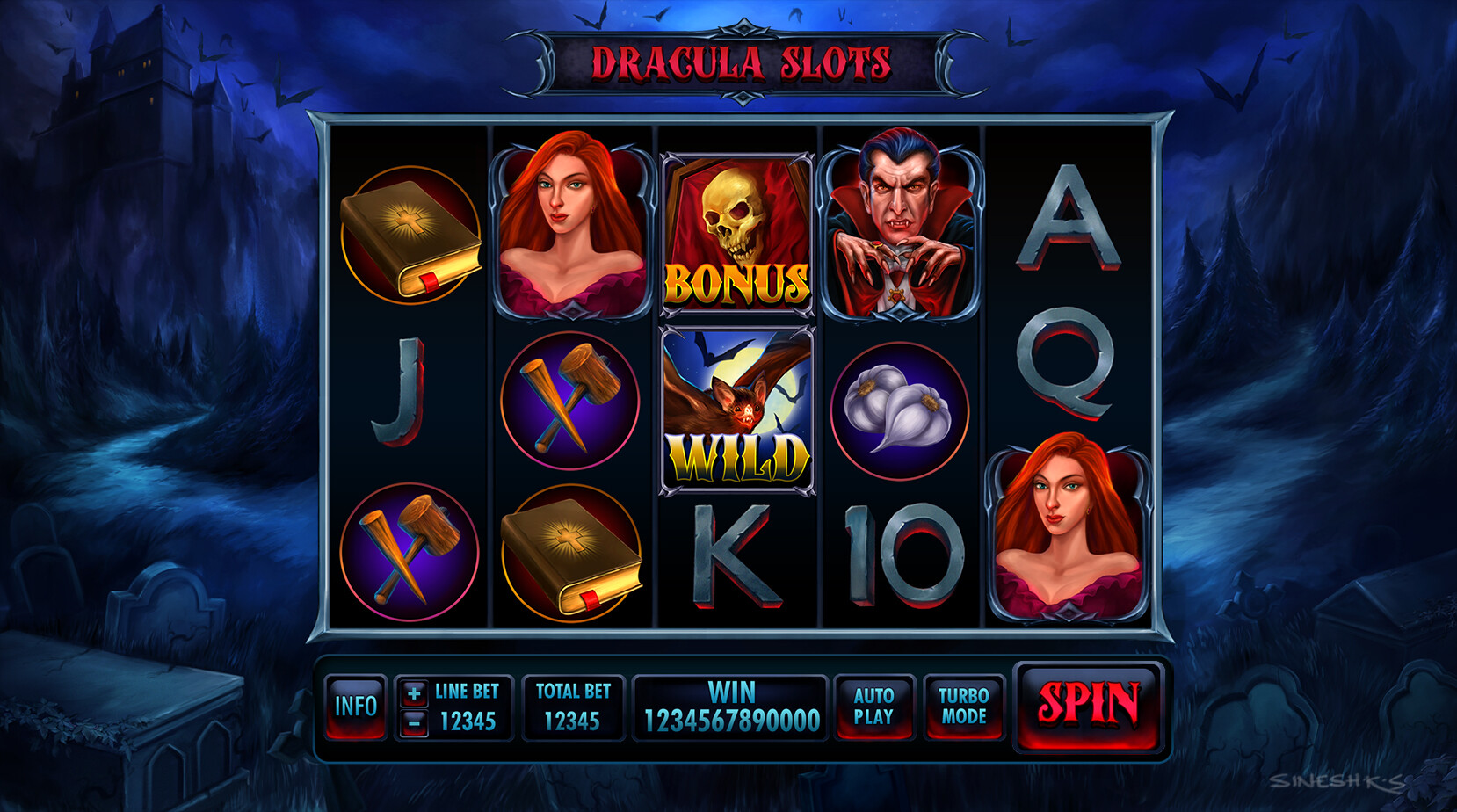
I learned the difficult way that not all bonus features handle the avalanche multiplier in the same manner. Some reset the multiplier between each free spin, using quantity and feature frequency to offer value. Others maintain a single escalating multiplier across all spins, which changes the gameplay rhythm. Aligning the bonus structure to your taste counts, so I evaluate core game tumbles first.
What Actually Defines an Avalanche Feature Anyway
This mechanic replaces the static feel of classic slots with something dynamic. Instead of gazing at a dead grid after one assessment, you watch the board change. Every tumble brings genuine hope, and the visual feedback of symbols bursting is deeply rewarding. Even small wins feel like part of an unfolding story.
Most avalanche slots use a grid format instead of traditional paylines, which already signals a different adventure. I’ve seen grids differ from cozy five-by-five layouts to massive seven-by-seven arenas packed with gems, runes, or sugary treats. Developers love combining avalanches with cluster pays, so you require touching groups of matching symbols rather than fixed lines.
Technically, the engine analyzes the entire grid after every tumble. If no new clusters form, the sequence ends and you go back to the base state. When cascades keep occurring, multipliers can climb to staggering heights. Some games provide unlimited multipliers during a single avalanche sequence, which creates heart-stopping moments where every new collapse seems like a gift.
The way Multipliers Develop Throughout Avalanche Sequences
Multipliers are the hidden element that lifts avalanche slots from fun to explosive. Many games place a small meter alongside the grid that increments with each winning cascade. I’ve watched it increase from one-times to ten, twenty, or even fifty-times throughout lucky tumble chains. The catch is that it resets once no more winning clusters form.
Some titles include a twist by enabling certain symbol eliminations permanently increase the multiplier even after the cascade ends. I think of a volcanic slot where every exploding scatter amplified a progressive multiplier that continued across spins. These hybrids combine immediate avalanche gratification with long-term satisfaction. Even small cascades play a part to a running bonus buildup.
Unlimited multiplier formats merit attention because they generate legendary session stories. When no cap exists on the cascade multiplier, every successive tumble seems exponentially more significant. I’ve seen replay videos of bonus rounds where the multiplier attained three-digit territory. Those outcomes are rare, but knowing they are possible adds big-dream energy to every spin.
Understanding when multipliers take effect is crucial for managing hopes. Some games boost only wins from the third cascade onward, while others start from the first tumble. I always review the paytable before risking my bankroll because these nuances influence volatility. A slot that postpones multiplier activation might annoy momentum seekers, whereas early multipliers create a more generous rhythm.
The Excitement of Chain Reactions and Chain Reactions
There is a true psychological thrill when I observe a chain reaction develop. That first elimination triggers excitement, but the second and third tumbles make my heart race. Each cascade introduces new possibilities. Sometimes a dead-looking grid after the initial win becomes a jackpot screen because a perfectly placed wild dropped at the right moment.
I equate it to opening mystery boxes where each reward might contain another key. Standard slots give one outcome per spin, but avalanche mechanics maintain me suspended in anticipation. I’ve seen a single paid spin produce over twenty cascades, and the multiplier turned a humble stake into a payout that surprised me. Traditional payline slots cannot replicate that extended payoff curve.
Game designers know this loop and heighten it with dramatic audio and visual effects. The screen shakes, symbols crackle, and the multiplier counter pulses with intensity. I find myself leaning forward, completely engrossed. By stretching a bet across multiple cascades, avalanche slots provide more entertainment time per spin than instant-resolve formats.
I also value how the mechanic makes near-misses feel like cliffhangers rather than frustrations. When a cascade brings two bonus symbols close but misses the third, you still feel close in a satisfying way. The grid constantly rearranges, so hope refreshes with every tumble. That emotional roller coaster is why I gravitate toward avalanche titles at Dracula Casino.
